

Cash-back cards have become the most competitive segment of the market in 2026. Issuers like Citi, Chase, and Discover are aggressively targeting everyday spenders with higher category bonuses, while Amex and Capital One are optimizing rewards for specific customer profiles.
This guide breaks down how each card works, what credit score you need, and how much you can realistically save.
🔐 Eligibility Requirements (Explained in Human Terms)
Most cash-back cards fall into one of three approval tiers:
1. Premium Cash-Back (Good to Excellent Credit: 700–850)
Cards: Citi Custom Cash, Freedom Flex, Blue Cash Preferred
Banks look for:
- Utilization under 30%
- 12+ months of on-time payments
- Fewer than 3–4 recent hard inquiries
- Clean history with previous issuers
2. Mid-Tier Cards (Fair Credit: 630–690)
Cards: QuicksilverOne, Discover it (flexible underwriting)
Banks want:
- Lower credit limits are expected
- No recent late payments
- Moderate income stability
3. Rebuilding Cards (580–640)
Cards: Secured options (Discover it Secured, Capital One Platinum Secured)
What matters:
- Demonstrating responsible utilization
- Recent positive payment trend
- A security deposit between $200–$1,000
Pro tip: Many issuers now use internal risk scores, which means even with a 720 FICO, you can be denied if you’ve opened too many accounts recently.
📝 Step-by-Step: How to Apply for a Cash-Back Card in 2026
- Start with a soft-pull pre-qualification on the issuer’s site.
- Review the APR range, not just the starting rate.
- Check whether your spending aligns with bonus categories.
- Submit the application — expect a hard inquiry.
- If pending, upload documents via the issuer portal (paystubs, ID).
- Once approved, add the card to Apple Pay / Google Wallet immediately.
- Set up autopay to avoid losing rewards due to late fees.
🔍 Optimization Hacks to Maximize Cash-Back
These insider-level strategies often save users an extra $250–$400 per year:
1. Stack cards strategically
Use:
- Blue Cash Preferred → groceries
- Active Cash → everything else
- Freedom Flex → quarterly 5% categories
2. Trigger sign-up bonuses within 90 days
Most bonuses require $500–$3,000 spend in 3 months.
Tip: Prepay utilities or insurance to reach thresholds faster.
3. Keep utilization between 1–9%
This boosts your approval odds for future cards and prevents APR penalties.
4. Use issuer shopping portals (usually 5–15% extra)
Chase, Capital One, and Amex offer elevated cash-back rates on big retailers.
5. Always redeem as statement credit
Gift card “bonuses” look tempting, but statement credits have no devaluation risk.
🌟 Hidden Benefits Most Users Miss
- Purchase protection (up to $1,000 per incident on some cards)
- Extended warranty on electronics
- Cell phone protection with Active Cash (up to $600)
- 0% APR intro periods as long as 15–21 months
- Balance transfer promos on Freedom Flex and Citi cards
These perks often provide more value than the cash-back itself.
🔄 Best Alternatives if You Want More Than Cash-Back
If your goal is travel, airline miles, or annual statement credits, consider:
Travel-oriented options
- Chase Sapphire Preferred®
- Capital One Venture Rewards®
- American Express Gold Card®
Balance-transfer oriented cards
- Citi Simplicity® – longest 0% intro APR periods
- Wells Fargo Reflect® – low ongoing APR for rebuilders
No-fee starter cards
- Chase Freedom Unlimited®
- Discover it® Student Cash Back
❓ Extended FAQ (Real Questions Users Ask)
Does applying for a cash-back card cause a hard inquiry?
Yes. Pre-qualification is soft, but final approval always triggers a hard pull.
Can you get approved with a high utilization ratio?
Possible, but unlikely. Most issuers prefer under 30%. Under 10% is ideal.
Do cash-back rewards expire?
Most do not — but some issuers may forfeit rewards after 12 months of inactivity.
Is it worth paying an annual fee for a cash-back card?
Yes, if the rewards exceed the fee by at least 2×, like Blue Cash Preferred for families.
What’s the #1 factor banks use to approve applicants?
Internal risk scoring, which weighs past behavior with that same bank more than FICO.
⭐ Which Cash-Back Card Is Best for 2026?
If you want pure savings, go with:
- Best overall: Citi Custom Cash®
- Best simple flat-rate: Wells Fargo Active Cash®
- Best for families: Blue Cash Preferred®
- Best first-year value: Discover it® Cash Back
- Best for fair credit: Capital One QuicksilverOne®
Each of these cards can deliver $400–$700+ in year-one value with normal spending — and even more if you optimize categories.
👉 Check if you qualify for a 2026 cash-back credit card — no impact to your credit score.
You will be redirect

 Full Guide: Best Credit Cards for High Spenders (>$5k/month) <p class='sec-title' style='line-height: normal; font-weight: normal;font-size: 16px !important; text-align: left;margin-top: 8px;margin-bottom: 0px !important;'>A Complete Guide to Choosing, Applying, and Optimizing Credit Cards for High-Volume Spend in 2026</p>
  A Deeper Look at the Best Cards for Groceries, Gas & Dining in 2026 <p class='sec-title' style='line-height: normal; font-weight: normal;font-size: 16px !important; text-align: left;margin-top: 8px;margin-bottom: 0px !important;'>How to Maximize Rewards on Food, Fuel, and Dining With the Right Card Strategy in 2026</p>
 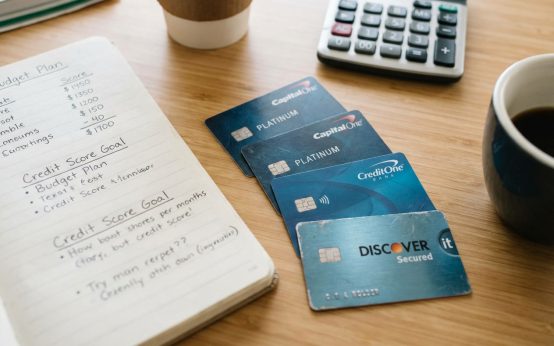 Full Guide: Best Credit Cards for Bad Credit in 2026 (No Annual Fee + Fast Approval) <p class='sec-title' style='line-height: normal; font-weight: normal;font-size: 16px !important; text-align: left;margin-top: 8px;margin-bottom: 0px !important;'>Top Cards Designed to Rebuild Credit Without Extra Costs</p>